 Demo
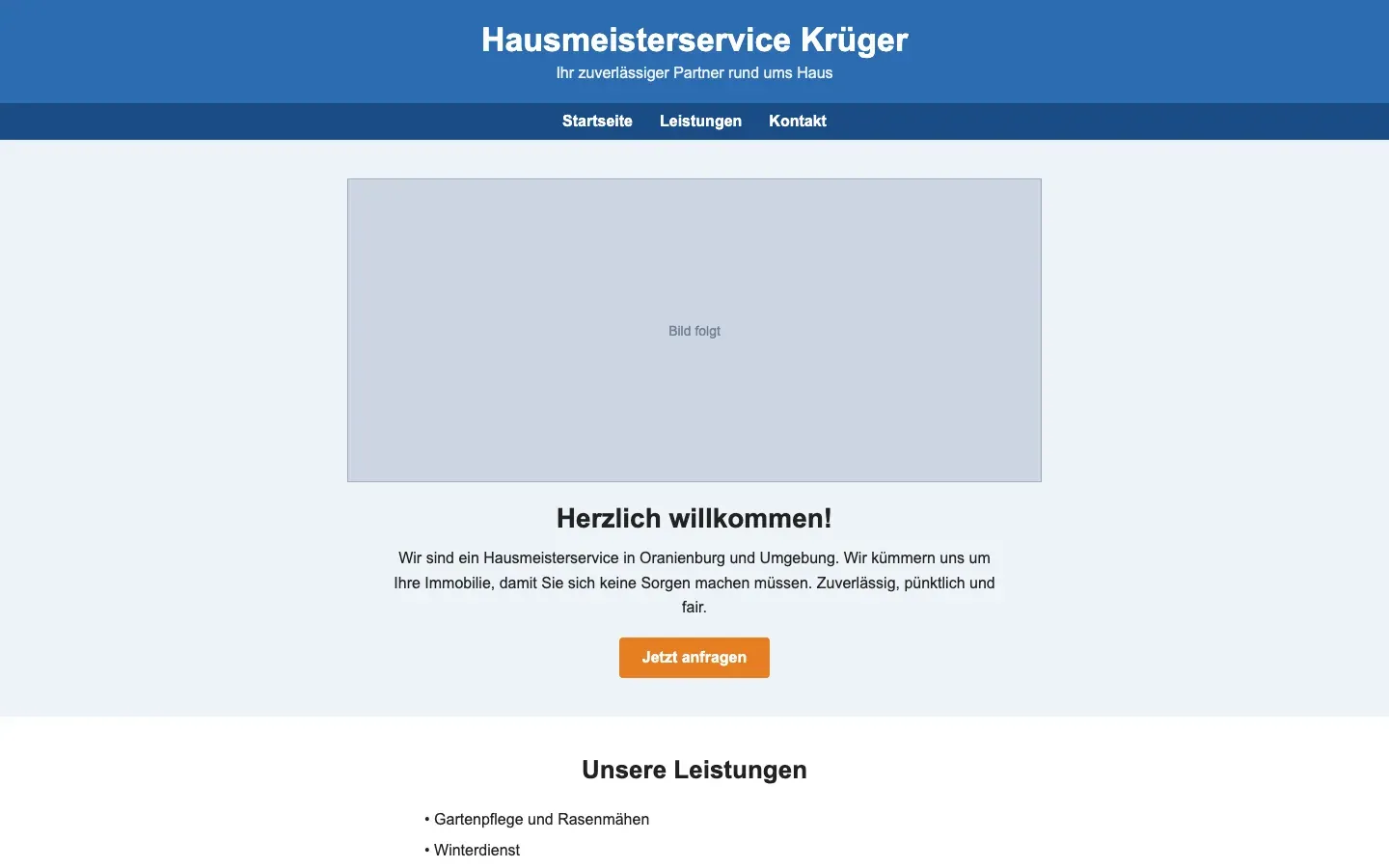
Hausmeisterservice Krüger
hausmeister-krueger.example · Local services and trades
A one-man caretaker service with a phone number, a price list and a picture that says 'Bild folgt'.
5 tells
Websites that look generated and went live without a single design decision, sorted by industry, by tell, and by the builder they look like. Each one with a dated screenshot, the tells it shows, and a verdict you can dispute.
Send a link. It gets checked against 6 families of tells. If it is slop, it goes in.
Newest first. Every entry shows the tells it was scored on, so you can disagree with the arithmetic, not just the verdict.
Demohausmeister-krueger.example · Local services and trades
A one-man caretaker service with a phone number, a price list and a picture that says 'Bild folgt'.
5 tells
 Demo
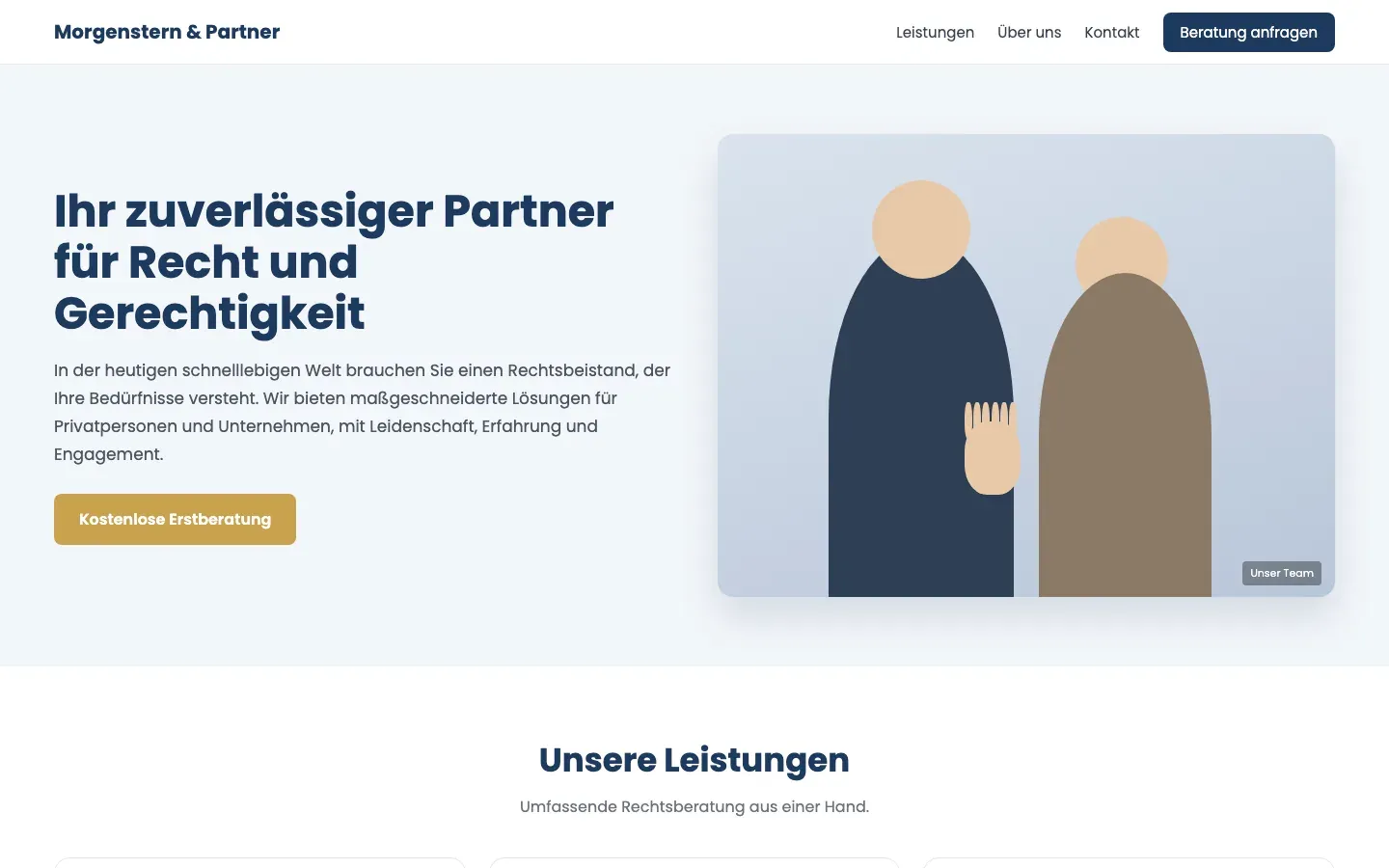
kanzlei-morgenstern.example · Law firms
A law firm whose team photo has six fingers and whose footer has no Impressum.
7 tells
 Demo
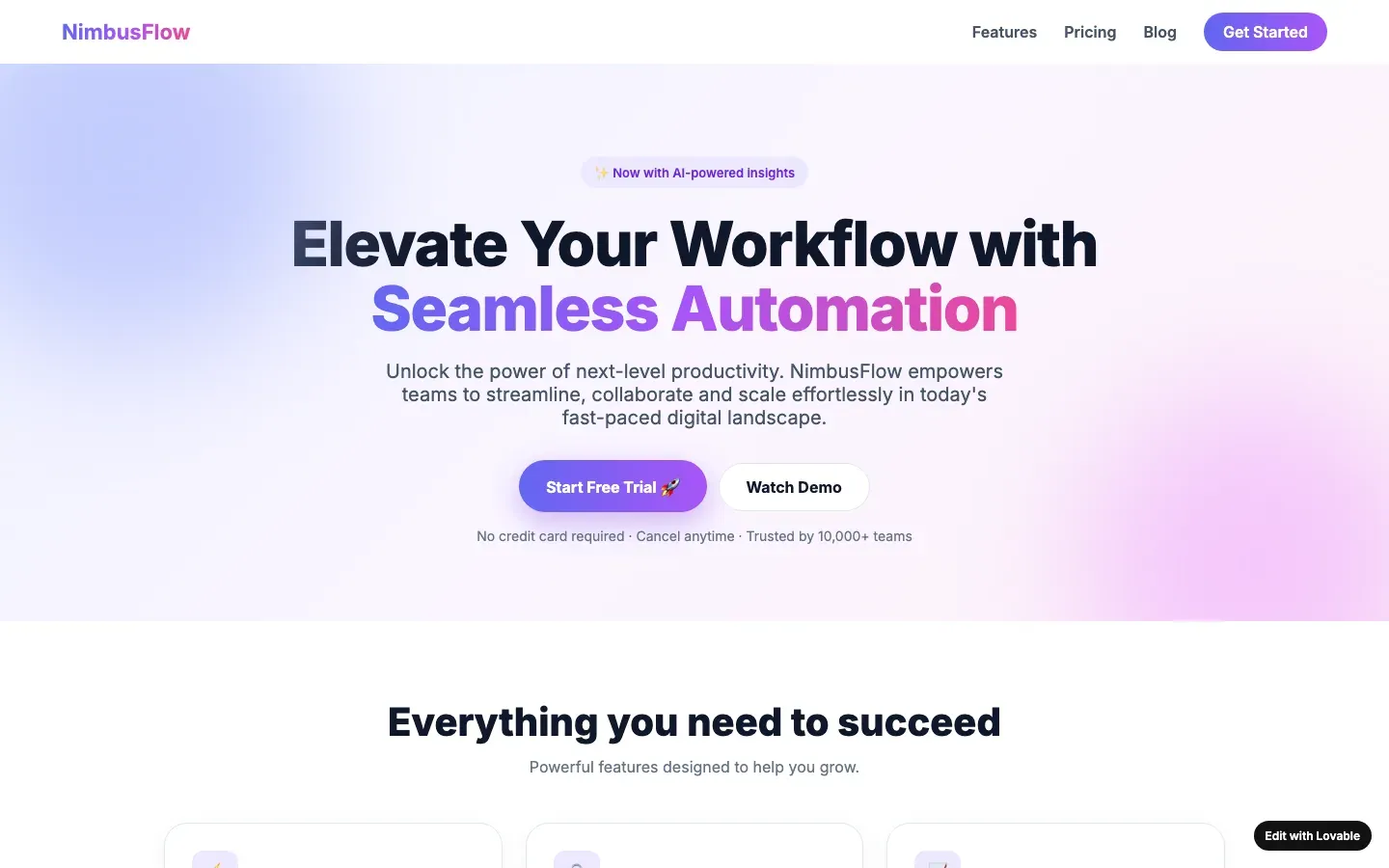
nimbusflow.example · SaaS
A workflow tool that elevates, unlocks and empowers, trusted by 10,000 teams that do not exist.
12 tells
An AI slop website is a generated website shipped as finished work without a single human decision: the template's gradient, the model's adjectives and the invented customers all still in place.
Lazy is a choice. Nobody here is angry that a tool was used. Tools are fine. We are angry that nobody looked.
A generated website is a first draft. Shipping the first draft, with its purple gradient, its three identical cards, its testimonial from Sarah J. and its button that goes nowhere, tells every visitor that the business did not care enough to read its own home page. That is what this library collects: not AI use, the absence of a single human decision.
The point is not to laugh at a landscaper with a 25-euro-a-month site. The point is the pattern, and the agencies and founders who sell it as finished work. So entries name the tells, never the people, and every owner can reply on their own page.
One email, one URL, one line on what gave it away. No account, no form backend, no tracking. Credit if you want it, anonymity if you prefer.
Against 6 families of tells, with points for each and credits for every sign a person made a choice. Three honesty credits cap the verdict at "Lazy, but human".
A dated capture, the list of tells, the score, and the verdict. Owners of named sites are written to first and get a reply box on the entry.
A verdict is an opinion about design decisions visible on a dated screenshot. It is not a statement that a site was made with any particular tool, and never a statement about the business behind it.
Slop looks different on a law firm than on a SaaS page. Every industry gets compared against its honest peers, not against Awwwards.
Strong tells count 12, medium 7, weak 3. Every honesty credit takes 8 off. The whole rubric, with every tell explained, is on the Tells page.
Certified slop
60 points and up
Strong tells from several families at once. Nobody with design judgment looked at this before it went live.
Suspected slop
35 points and up
Enough tells to doubt a person was in charge, not enough to be sure. Could still be rescued.
Lazy, but human
15 points and up
A person made choices here. They just made the default ones. Not slop.
Not slop
under 15
Plain, maybe boring, but honest. Being simple is not a crime.
One email is enough: the link and what you noticed.
Every submission is a tip, not a publication. It gets read, checked, scored and, if it qualifies, written up. Most do not qualify, and that is fine.